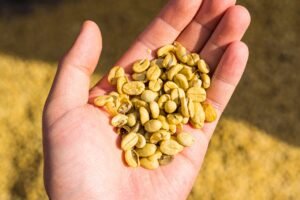
The ultimate guide to understanding coffee origins and making the perfect choice for your brewing preferences.
As a coffee enthusiast standing behind the espresso machine each morning, I’ve fielded countless questions about the differences between single origin coffees and blends. The choice between these two distinct coffee categories isn’t merely academic—it significantly impacts flavor, brewing methods, and ultimately, your coffee experience. Let’s dive deep into the world of coffee beans to help you make an informed decision that aligns with your taste preferences and brewing style.
Understanding Single Origin Coffee
Single origin coffee comes from one specific geographic location—typically a single farm, region, or country. These beans tell the story of their terroir—the environmental factors including soil composition, climate, and altitude that influence a coffee’s distinctive profile.
When you sip a single origin coffee from Ethiopia’s Yirgacheffe region, you’re tasting the unique characteristics of that particular place: bright acidity, floral notes, and perhaps hints of citrus that can’t be replicated elsewhere. Single origins showcase the purest expression of a coffee’s origin, unmasked by blending.
Key Characteristics of Single Origin Coffee:
- Distinct flavor profiles that reflect specific growing regions
- Seasonal availability as harvests differ globally
- Traceability to specific farms or cooperatives
- Terroir-driven taste influenced by local growing conditions
- Higher transparency in the supply chain
Single origins particularly shine in brewing methods that highlight their unique characteristics—pour-overs, drip coffee, and Aeropress brewing tend to accentuate the nuanced flavors that make these coffees special.
Exploring Coffee Blends
Blends, on the other hand, combine beans from multiple origins to create a balanced, consistent flavor profile. Master roasters develop proprietary blends by carefully selecting complementary beans that, when combined, create something greater than the sum of their parts.
A skilled blend might incorporate the chocolatey body of Brazilian beans, the bright acidity of Colombian coffee, and perhaps a touch of Ethiopian beans for floral complexity. The art lies in achieving harmony while creating a signature taste that remains consistent year-round.
Key Characteristics of Coffee Blends:
- Balanced flavor profiles engineered for consistency
- Year-round availability as seasons are offset across regions
- Customized taste experiences crafted by roasters
- Often optimized for specific brewing methods (particularly espresso)
- May offer better value while maintaining quality
Blends traditionally reign supreme in espresso preparation, where their balanced attributes help create that perfect golden crema and complex flavor that stands up to milk in lattes and cappuccinos.
Flavor Considerations: The Tasting Notes
When choosing between single origin and blends, flavor becomes your primary consideration. Let’s compare typical flavor profiles:
Single Origin Flavors:
- Ethiopian: Bright, berry-forward, floral, wine-like acidity
- Colombian: Medium body, caramel sweetness, nutty undertones
- Kenyan: Bold, vibrant acidity, black currant notes, wine-like character
- Guatemalan: Chocolate notes, medium acidity, subtle spice hints
- Sumatran: Earthy, full-bodied, low acidity, herbaceous qualities
Blend Characteristics:
- Breakfast blends: Bright, approachable, medium-bodied
- Espresso blends: Rich, balanced, good crema development, chocolatey
- House blends: Consistent, approachable, often medium roast
- Dark roast blends: Bold, smoky, reduced acidity, intense body
Brewing Method Compatibility
Your preferred brewing method should influence your choice between single origin and blends:
Best for Single Origins:
- Pour-over (Chemex, V60)
- Filter drip coffee
- Aeropress
- Cold brew (light-medium roast origins)
Best for Blends:
- Espresso machines
- Moka pot
- French press
- Cold brew (medium-dark blends)
Nutritional Considerations
While coffee itself contains minimal calories, understanding its nutritional profile can inform your choice:
Both single origin coffees and blends contain similar nutritional elements, including:
- Antioxidants: Coffee is rich in polyphenols that fight inflammation
- Caffeine content: Varies by bean variety (Robusta contains nearly twice the caffeine of Arabica)
- Micronutrients: Small amounts of magnesium, potassium, and niacin
- Acidity levels: Lower in dark roasts, higher in light roasts (relevant for those with acid sensitivity)
Note that nutritional differences between single origins and blends are negligible—your brewing method and additions (milk, sugar) have far greater impact on the nutritional profile of your final cup.
Affiliate Product Links
Coffee Equipment Worth Investing In:
- Baratza Encore Conical Burr Grinder
- Bodum Chambord French Press
- Breville Barista Express Espresso Machine
- Electric Kettle
- AeroPress Coffee
- Chemex Classic Pour-Over Glass Coffeemaker Set
- Specialty single origin coffee
- Coffee scale
- Double-walled glass coffee mugs
Seasonality and Freshness
One critical difference between single origins and blends is their availability throughout the year:
Single Origin Seasonality: Coffee harvests vary globally, meaning certain origins are only available during specific seasons. Ethiopian coffees might peak in quality during summer months, while Central American coffees shine in winter and spring. This seasonality means the selection changes throughout the year—exciting for adventurous drinkers but potentially frustrating if you fall in love with a specific origin.
Blend Consistency: Quality roasters design blends to maintain consistent flavor profiles year-round by adjusting component percentages or substituting similar origins as needed. This creates reliability—your favorite breakfast blend tastes virtually identical in January and July.
Price Considerations
Generally speaking, exceptional single origin coffees—particularly those from award-winning farms or limited microlots—command premium prices. The traceability, unique characteristics, and often smaller production volumes justify their higher cost.
Blends typically offer better value while still delivering excellent quality. By incorporating some percentage of less expensive beans alongside more distinctive varieties, roasters can maintain flavor quality at moderate price points.
Making Your Choice
Ultimately, choosing between single origin and blends comes down to your coffee journey and preferences:
Choose Single Origin If:
- You enjoy exploring distinctive flavor profiles
- You appreciate the terroir and story behind your coffee
- You brew primarily with pour-over methods
- You don’t mind seasonal variations
- You’re interested in the specific characteristics of different growing regions
Choose Blends If:
- You prefer consistency in your daily cup
- You primarily make espresso or milk-based drinks
- You want a balanced flavor profile
- You appreciate the roaster’s craftsmanship in creating signature tastes
- You seek good value without sacrificing quality
Many coffee enthusiasts ultimately embrace both options—perhaps a carefully crafted blend for morning espresso and single origins for weekend pour-over exploration. This hybrid approach provides the best of both worlds: reliability when you need it and adventure when you crave it.
Conclusion
The single origin versus blend debate isn’t one to be resolved definitively. Each approach offers unique benefits depending on your taste preferences, brewing methods, and coffee philosophy. The beauty of today’s specialty coffee landscape is the freedom to experiment—to discover Ethiopian Yirgacheffe’s bright blueberry notes one day and savor the chocolatey comfort of a well-crafted espresso blend the next.
Whatever your choice, prioritize freshness above all. Purchase from roasters who clearly indicate roast dates, buy appropriate quantities for your consumption rate, and store beans properly in airtight containers away from light, heat, and moisture.
The perfect cup awaits—whether it tells the story of a specific origin or showcases the artful balance of a master roaster’s blend.
This post may contain affiliate links. If you make a purchase through these links, I may earn a small commission at no extra cost to you.