For coffee enthusiasts seeking a brighter, smoother espresso experience, blonde espresso has emerged as a game-changer in the specialty coffee scene. This lighter roast version offers a distinctly different flavor profile than traditional dark espresso roasts, with subtle nuances that can transform your morning ritual. Whether you’re a home barista looking to expand your brewing repertoire or simply curious about this increasingly popular coffee trend, this comprehensive guide will walk you through everything you need to know about blonde espresso – from bean to cup.
What Exactly Is Blonde Espresso?
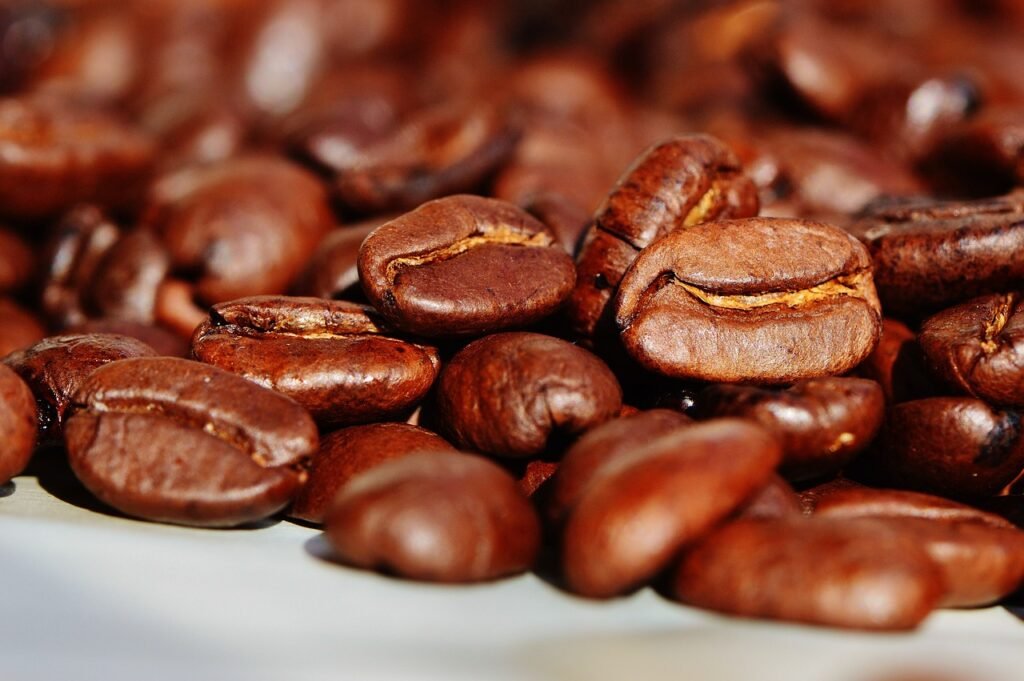
Blonde espresso refers to espresso made from coffee beans that have been roasted to a lighter degree than traditional espresso roasts. While conventional espresso typically uses dark roasted beans with rich, bold flavors, blonde espresso utilizes beans that have been roasted for a shorter time, resulting in a lighter color (hence the name “blonde”) and a different flavor profile altogether.
The lighter roasting process preserves more of the bean’s natural characteristics, allowing the true flavor notes of the specific coffee origin to shine through. Blonde espresso typically offers more acidity, pronounced fruity or floral notes, and higher caffeine content compared to its darker counterparts.
This style gained mainstream popularity when Starbucks introduced their Blonde Espresso in 2018, though specialty coffee shops had been experimenting with lighter espresso roasts for years before. The introduction helped demystify the concept for everyday coffee drinkers and challenged the notion that espresso must always be dark, bold, and somewhat bitter.
The Flavor Profile: What Makes Blonde Espresso Different
The most striking difference between blonde and traditional espresso lies in the taste experience:
- Acidity: Blonde espresso features a bright, vibrant acidity that some describe as citrusy or wine-like. This acidity gives the coffee a lively character that can be refreshing rather than the heavier, sometimes bitter notes of dark roasts.
- Sweetness: The lighter roast preserves more of the bean’s natural sugars, resulting in an inherently sweeter cup with notes that might include caramel, honey, or fruit-forward sweetness.
- Body: While traditional espresso is known for its heavy, rich body, blonde espresso typically has a smoother, lighter mouthfeel that some find more approachable.
- Complexity: With less roast flavor dominating the profile, blonde espresso allows you to taste more of the bean’s intrinsic flavor characteristics, which can include floral, fruity, nutty, or even herbal notes depending on the coffee’s origin.
- Caffeine Content: Contrary to popular belief, lighter roasts actually contain slightly more caffeine than darker roasts, as the roasting process gradually breaks down caffeine molecules. This makes blonde espresso a more potent pick-me-up for those seeking an energy boost.
Choosing the Right Beans for Blonde Espresso
Not all coffee beans are ideal candidates for blonde espresso preparation. When selecting beans for your lighter espresso adventure, consider these factors:
- Single-origin beans often work beautifully as blonde espresso, particularly those from Ethiopia, Kenya, or Central American countries like Guatemala or Costa Rica. These origins typically offer the bright, complex flavor profiles that shine in lighter roasts.
- Look for beans labeled as “light roast,” “blonde roast,” “cinnamon roast,” or specifically marketed for blonde espresso.
- Freshness is crucial for any espresso but particularly important for blonde espresso where subtle flavors are highlighted. Always check for recent roast dates (ideally within 1-3 weeks).
- Consider bean density – higher-grown, denser beans often perform better as lighter roasts and can withstand the pressure of espresso extraction without becoming too acidic or sour.
How to Brew the Perfect Blonde Espresso at Home
Brewing blonde espresso requires some adjustments to your technique compared to traditional dark roast espresso. Here’s a step-by-step guide to achieving excellent results:
Equipment Needed:
- Espresso machine
- Quality burr grinder
- Scale for weighing coffee
- Fresh blonde or light-roasted coffee beans
- Filtered water
- Tamper
- Preheated espresso cup
The Brewing Process:
- Start with the right grind: Blonde espresso typically requires a slightly finer grind than dark roast espresso. This helps slow down the extraction process to balance the higher acidity. Begin with your usual espresso grind setting and adjust finer if your shots are running too quickly.
- Dosing: Use 18-20 grams of coffee for a double shot, adjusting based on your basket size and preference.
- Distribution and tamping: Ensure even distribution of grounds in your portafilter and apply firm, consistent pressure when tamping – approximately 30 pounds of pressure is standard.
- Water temperature: Blonde roasts extract best at slightly lower temperatures than dark roasts – aim for 195-198°F (90-92°C) rather than the 200-203°F (93-95°C) typically used for dark roasts.
- Extraction time: Target 25-30 seconds for a 1:2 brew ratio (e.g., 18g coffee yielding 36g espresso), but be willing to adjust based on taste. Blonde espresso may require slightly longer extraction times to balance acidity.
- Evaluate and adjust: Your blonde espresso should have a light brown crema with golden hues. If it tastes too sour, try a finer grind or longer extraction time. If it’s too bitter (though less common with blonde roasts), try a coarser grind or shorter extraction.
Blonde Espresso in Milk-Based Drinks
Blonde espresso shines in milk-based drinks, creating distinctive beverages that differ notably from those made with traditional espresso:
- Lattes: Blonde espresso lattes often have a smoother, more delicate flavor with subtle caramel notes that complement milk’s natural sweetness without getting lost.
- Cappuccinos: The bright, vibrant notes of blonde espresso can cut through the milk foam, creating a more complex cappuccino experience.
- Flat Whites: The smooth texture and sweeter profile of blonde espresso pairs beautifully with the velvety microfoam of a well-crafted flat white.
- Iced Drinks: Blonde espresso’s fruity, brighter profile makes it exceptional in iced beverages, where the cold temperature further highlights its refreshing characteristics.
Affiliate Product Links
For those looking to elevate their blonde espresso game, consider these essential tools and products:
- High-quality light roast beans
- Precision burr grinders specifically calibrated for espresso
- Temperature-controlled espresso machine
- Precision scale for consistent dosing
- Professional-grade tamper
- Double-walled glass espresso cups that showcase blonde espresso’s golden hues
- Milk frother designed for creating silky microfoam
Nutritional Information: What You Should Know
Blonde espresso offers some nutritional distinctions from traditional dark roast espresso:
Caloric Content: A standard 1oz (30ml) shot of blonde espresso contains approximately 2-3 calories when consumed black, similar to traditional espresso.
Caffeine: Blonde espresso typically contains 10-15% more caffeine than dark roast espresso. A standard double shot may contain around 85-90mg of caffeine compared to approximately 75mg in a traditional double espresso.
Antioxidants: Coffee is rich in antioxidants, particularly chlorogenic acids. Lighter roasts like blonde espresso retain more of these beneficial compounds, which have been associated with various health benefits including reduced inflammation and improved heart health.
Acidity: While blonde espresso has higher taste acidity (brightness), it doesn’t necessarily mean it’s more acidic in terms of pH. However, some individuals with sensitive stomachs might find the brighter characteristics more noticeable.
Without Additions: Plain blonde espresso is naturally low in calories, contains no fat, carbohydrates, or protein in meaningful amounts, and is virtually sodium-free.
Common Misconceptions About Blonde Espresso
Several myths surround blonde espresso that deserve clarification:
- “It’s just underdeveloped coffee”: Properly roasted blonde espresso beans are fully developed but intentionally roasted to highlight different characteristics than dark roasts.
- “It’s weaker than regular espresso”: In terms of caffeine content and flavor intensity, blonde espresso is actually often stronger, though the flavor profile is certainly different.
- “It’s just a marketing gimmick”: While the term “blonde” may be somewhat marketing-driven, the concept of lighter roast espresso has solid grounding in coffee science and has been embraced by coffee professionals worldwide.
- “It’s the same as regular coffee just extracted as espresso”: Blonde espresso beans are specifically roasted and blended to perform well under espresso extraction conditions, which differ significantly from drip coffee preparation.
Why Blonde Espresso Continues to Gain Popularity
The rising popularity of blonde espresso reflects broader trends in the specialty coffee movement:
- Growing consumer preference for complex flavor experiences over simplistic strong/weak coffee distinctions
- Increasing appreciation for origin-specific coffee characteristics
- A move away from the “darker is better” mentality that dominated coffee culture for decades
- Desire for higher caffeine content without the bitter characteristics of dark roasts
- Versatility in both straight espresso and milk-based applications
Whether you’re a coffee connoisseur or simply someone looking to expand your coffee horizons, blonde espresso offers a fascinating alternative to traditional espresso experiences. Its brighter, more nuanced flavor profile opens up new possibilities for appreciating the complex world of coffee while challenging conventional notions about what espresso can and should be. As specialty coffee continues to evolve, blonde espresso stands as a testament to the incredible diversity this humble bean can offer when approached with creativity and expertise.
This post may contain affiliate links. If you make a purchase through these links, I may earn a small commission at no extra cost to you.