Following our exploration of common coffee misconceptions, this second installment tackles ten additional myths that continue to circulate among coffee enthusiasts. As specialty coffee culture evolves, so too does our understanding of what makes an exceptional cup. Let’s separate more coffee facts from fiction to elevate your brewing experience.
Myth #11: Coffee Should Always Be Stored in the Freezer
Many home baristas freeze their coffee beans believing this preserves freshness indefinitely. While freezing can extend shelf life for truly long-term storage (1+ months), it’s not ideal for daily use. Each time you open the container, condensation forms on the cold beans, introducing moisture that accelerates flavor degradation.
For coffee consumed within 2-3 weeks of roasting, an airtight container stored in a cool, dark place away from oxygen, light, heat, and moisture provides optimal freshness. If freezing is necessary, divide beans into small, airtight portions to minimize exposure when retrieving them.
Myth #12: All Espresso Has the Same Recipe
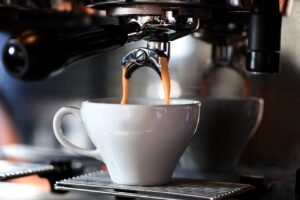
The “traditional” espresso recipe of 1:2 ratio (18g coffee yielding 36g espresso in 25-30 seconds) is often treated as gospel. However, professional baristas regularly modify these parameters based on coffee origin, roast profile, and desired flavor characteristics.
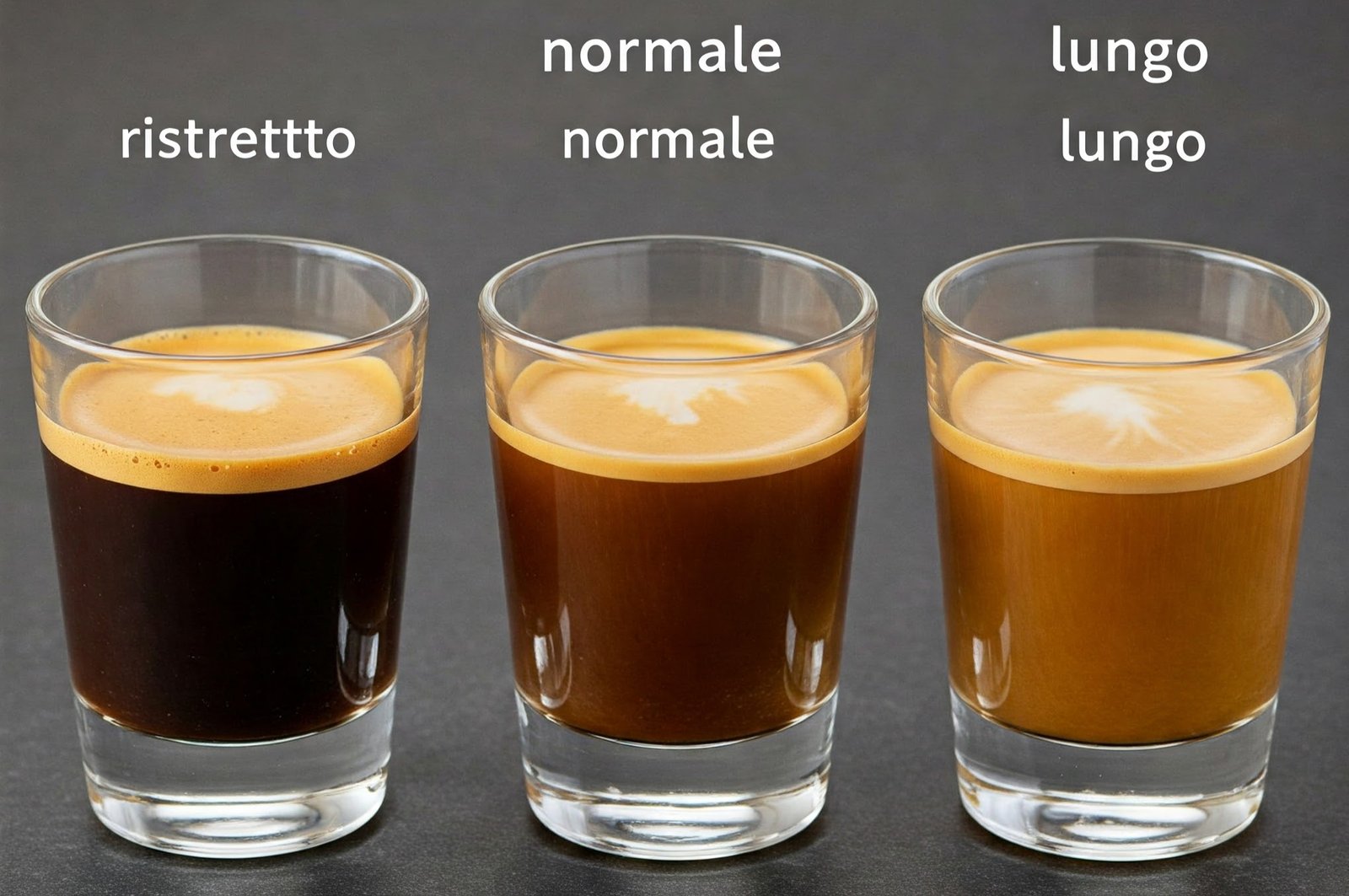
Modern specialty coffee embraces diverse approaches:
- Ristretto (1:1.5 ratio): More concentrated, highlighting sweetness
- Normale (1:2 ratio): Classic balanced profile
- Lungo (1:3 ratio): Greater extraction highlighting clarity and acidity
The best recipe is ultimately the one that produces the most enjoyable flavor from your specific beans.
Myth #13: Pre-Ground Coffee Is Always Inferior
While whole bean coffee ground immediately before brewing offers optimal freshness, pre-ground coffee isn’t automatically subpar. Quality pre-ground coffee stored properly can surpass poorly ground fresh beans or beans brewed with incorrect parameters.
For those without access to a quality burr grinder, specialized pre-ground coffee from reputable roasters—vacuum-sealed with one-way valves—can deliver excellent results. The consistency of professional grinding equipment often exceeds what’s possible with entry-level home grinders.
Myth #14: French Press Coffee Is High in Cholesterol
The belief that French press coffee increases cholesterol stems from its unfiltered brewing method that retains coffee oils containing compounds called cafestol and kahweol. While these compounds can potentially increase LDL cholesterol when consumed in large quantities, moderate consumption (1-2 cups daily) shows minimal impact in healthy individuals.
For those monitoring cholesterol, paper-filtered methods like pour-over or drip coffee remove most of these compounds. Alternatively, using a fine mesh secondary filter with your French press reduces oil content while preserving the distinctive mouthfeel many enjoy.
Myth #15: Latte Art Only Serves Aesthetic Purposes
While visually appealing, properly executed latte art actually indicates technical proficiency that directly impacts flavor. The microfoam required for latte art creation—with its silky texture and fine bubbles—provides the optimal milk consistency for sweetness and mouthfeel.
When a barista successfully creates detailed latte art, it demonstrates:
- Proper milk steaming temperature (130-140°F/55-60°C for optimal sweetness)
- Appropriate foam texture integration
- Fresh espresso with proper crema
- Correct cup temperature
These factors collectively enhance the drinking experience beyond mere visual appeal.
Myth #16: Cold Brew Has More Caffeine Than Hot Coffee
The extended steeping time of cold brew (12-24 hours) leads many to assume it contains significantly more caffeine than hot-brewed coffee. While cold brew concentrate is indeed caffeine-rich, the dilution typically applied before serving results in caffeine content comparable to hot coffee.
Cold brew generally contains 100-200mg of caffeine per 16oz serving, similar to a standard drip coffee of equal volume. The smoother perceived drinking experience comes from cold brew’s lower acidity and reduced bitterness—not higher caffeine content.
Myth #17: The Best Coffee Comes Exclusively from Specialty Regions
While regions like Ethiopia, Colombia, and Panama justifiably receive acclaim for their exceptional coffees, limiting exploration to these established areas overlooks emerging quality producers. Climate change and improved processing techniques have expanded the geography of exceptional coffee.
Regions previously overlooked are now producing outstanding beans:
- Myanmar’s specialty arabica from Shan State
- China’s Yunnan province high-altitude offerings
- Ecuador’s revival of unique heirloom varieties
- Uganda’s specialty-grade natural processed coffees
The most exciting coffee experiences often come from exploring beyond traditional specialty regions.
Myth #18: A Bitter Taste Means Quality Coffee
Bitterness has long been associated with coffee’s identity, but excessive bitterness typically indicates problems rather than quality. Modern specialty coffee emphasizes balance, with sweetness, acidity, and body working in harmony.
Excessive bitterness usually results from:
- Over-extraction (too fine grind, too long brewing time)
- Dark roasting that obscures bean characteristics
- Poor quality beans masking defects through roasting
- Improper water temperature (too hot)
Specialty-grade coffees properly brewed should exhibit natural sweetness, pleasant acidity, and only complementary bitterness that provides structure rather than dominance.
Myth #19: Coffee Causes Dehydration and Insomnia for Everyone
Individual responses to caffeine vary dramatically based on genetics, tolerance, and metabolism. The CYP1A2 gene significantly influences how quickly your body processes caffeine—with “fast metabolizers” experiencing shorter, less intense effects than “slow metabolizers.”
This genetic variation explains why some people can drink espresso before bed without sleep disruption while others experience insomnia from morning coffee. Similarly, caffeine’s diuretic effect varies substantially between individuals and diminishes with regular consumption as tolerance develops.
Understanding your personal response to caffeine allows for customized consumption patterns that maximize benefits while minimizing unwanted effects.
Myth #20: Single-Origin Coffee Is Always Superior to Blends
The specialty coffee movement’s emphasis on traceability and unique characteristics has elevated single-origin coffees, sometimes dismissing blends as inferior. However, thoughtfully crafted blends often deliver more complex, balanced, and consistent flavor profiles than single-origin offerings.
Master roasters create blends to:
- Balance acidity with body
- Create flavor complexity beyond what’s possible from one origin
- Ensure consistency throughout harvest seasons
- Develop profiles specifically optimized for espresso preparation
- Highlight complementary characteristics between regions
Many world barista champions have won competitions using carefully crafted blends rather than single-origin coffees.
Nutritional Insight: Coffee’s Antioxidant Power
Coffee remains one of the primary sources of antioxidants in modern diets. A typical serving provides more antioxidants than a serving of blueberries, with compounds like chlorogenic acid helping combat oxidative stress in the body.
Research indicates moderate coffee consumption (3-5 cups daily) correlates with reduced inflammation markers and may offer protective effects against various chronic conditions through its antioxidant properties.
Affiliate Product Links
For those looking to elevate their coffee experience further:
- Baratza Encore Conical Burr Grinder
- Bodum Chambord French Press
- Breville Barista Express Espresso Machine
- Electric Kettle
- AeroPress Coffee
- Chemex Classic Pour-Over Glass Coffeemaker Set
- Specialty single origin coffee
- Coffee scale
- Double-walled glass coffee mugs
Conclusion
Coffee culture continues to evolve through scientific advancement, agricultural innovation, and craftsmanship refinement. By dispelling these additional myths, you’re better equipped to navigate the complex world of specialty coffee with confidence and discernment.
The most rewarding coffee experiences come from questioning assumptions, experimenting with parameters, and developing your palate through mindful tasting. As you continue your coffee journey, remember that personal preference ultimately trumps conventional wisdom—your perfect cup is the one that brings you the most enjoyment, regardless of trends or rules.
This post may contain affiliate links. If you make a purchase through these links, I may earn a small commission at no extra cost to you.